Answering the most common renewables questions
2026 07 9
Which renewable solution is the most efficient? Are heatpumps noisy? How long does it take to break even on solar panels?
We sat down to answer some of the questions we hear most often and separate fact from fiction when it comes to renewable energy.
Which renewable solution is the most efficient?
There's no right answer because every property is different. What works brilliantly for one home might not be the best option for another. It depends on things like the size and age of the property, how well it's insulated, how much energy you use and the space you have available. The most efficient solution is the one that's properly designed for your home, which is why we always recommend getting expert advice before deciding.
Are heat pumps noisy?
Modern heat pumps are much quieter than people often expect. The outdoor unit makes a gentle humming sound when it's running, similar to a modern fridge or air conditioning unit. In most cases, once you're inside the house you won't notice it at all. A well-designed installation also makes sure the unit is positioned in the best place to minimise any noise.
How long does it take to break even on solar panels?
This varies from home to home, but most homeowners can expect to recover the cost of their solar panels in around 8 to 12 years. It depends on factors such as the size of the system, how much electricity you use during the day and whether you export any surplus energy back to the grid. With energy prices remaining unpredictable, many people also value the long-term savings and greater control over their energy bills.
What's the difference between air and ground source heat pumps?
Both systems work by taking renewable heat from outside and using it to warm your home and hot water. The main difference is where that heat comes from. Air source heat pumps take warmth from the outside air, while ground source heat pumps collect heat stored in the ground through buried pipes or via a borehole. Air source systems are generally easier and less expensive to install, making them suitable for most homes. Ground source systems can be more efficient, but potentially need more outdoor area and involve more groundworks during installation.
How much space do I need for solar panels and heat pumps?
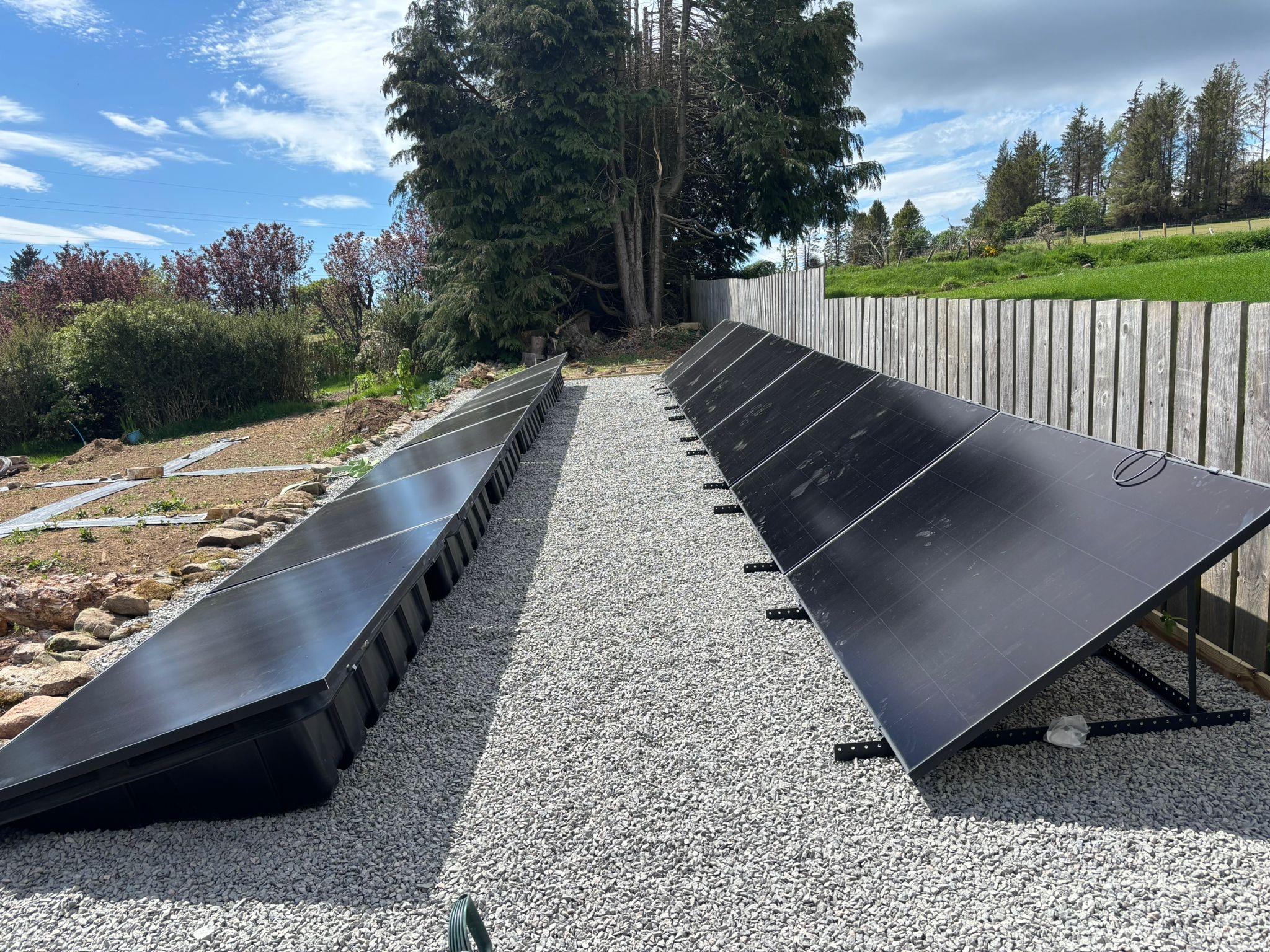
For solar panels, you'll need a suitable section of roof that gets a good amount of sunlight, although they can also be installed on ground-mounted frames if space allows. An air source heat pump needs a small area outside your property with enough room for good airflow around the unit. Ground source heat pumps need much more outside area for underground pipework, unless a borehole system is being used. If you're unsure whether your property is suitable, we can carry out a free survey and talk you through the options.
Sugplumb
View More Articles