How to choose the right renewable energy solution for your home
2026 05 21
“How do I know what renewable energy solution is right for my home?”
It’s a question we hear all the time, and with each renewable option suited to different properties, lifestyles, and budgets, it can begin to feel overwhelming.
That’s why we’re breaking down the most common types of renewable energy solutions to help you understand which could work best for your home.
At Sugplumb, we’ve been providing homeowners and businesses in the north east of Scotland with independent support for all their plumbing, renewables, and heating needs for almost 20 years. When you’re ready to explore your options further, you can book a no obligation consultation with a member of our technical team.
Understanding your options
Before choosing a renewable energy solution, it’s important to understand the different options available and what each is best suited for. In many cases, a combined approach can deliver the best results, for example, using solar panels to generate electricity alongside a heat pump to provide heating and hot water.
At Sugplumb, we specialise in the following renewable energy solutions.
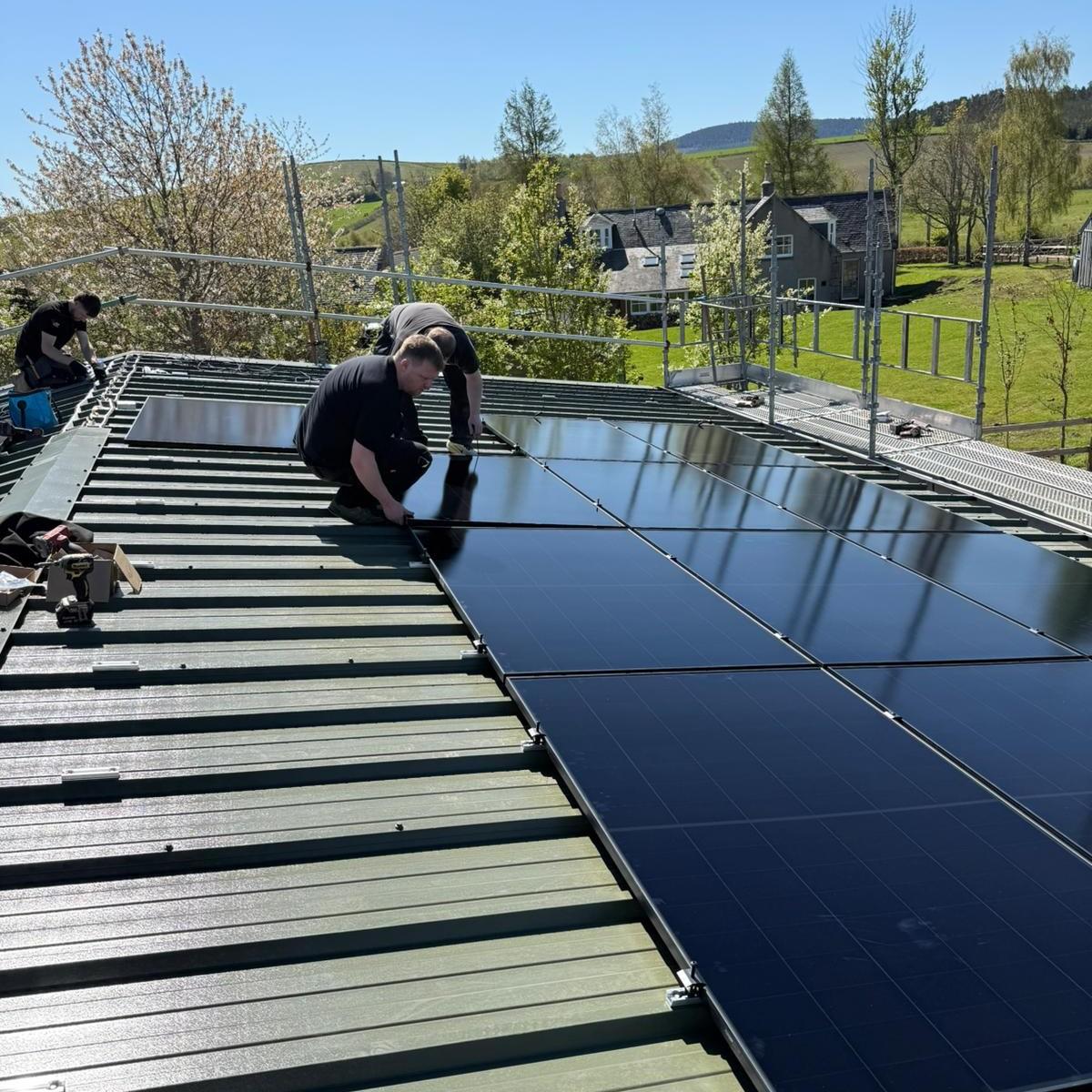
Solar PV
Solar PV panels generate electricity from the sun and are one of the most popular renewable solutions because they reduce reliance on the grid and can lower electricity costs.
The panels capture light through photo voltaic cells, which convert both direct and diffused sunlight into electricity. Although they do not operate at optimal capacity on overcast days, they can still generate around 10–25% of their usual output.
Solar PV is best for:
· Homes with an unshaded roof
· People looking to cut electricity costs.
· Households interested in battery storage for greater cost savings.
Payback period: A well-designed system should provide a return on investment within seven to 10 years. This timeline can be shrunk when solar panels are combined with battery storage and/or a heat pump.
Solar thermal
Solar thermal systems use the sun’s energy to heat water rather than generate electricity. They’re typically used alongside a conventional boiler or heating system.
Solar thermal is best for:
· Homes with a high demand for hot water.
· Households looking for a lower-cost entry into renewables.
Air source heat pumps
Air source heat pumps extract heat from the air outside to heat your home through radiators or underfloor heating and can also provide hot water via a hot water cylinder. They work efficiently even in colder climates, making them well suited to homes across Scotland.
Homeowners in Scotland may be eligible for funding support through Home Energy Scotland, including grants of up to £7,500 towards a heat pump installation, with additional support available for some rural properties and optional interest-free loans.
You can find out more about current grants and funding options through Home Energy Scotland.
https://www.homeenergyscotland.org/home-energy-scotland-grant-loan
Air source heat pumps are best for:
· Well-insulated homes.
· Properties with space for an outdoor unit.
· Homeowners replacing older heating systems.
Ground source heat pumps
Ground source heat pumps transfer heat from pipes buried in the ground to heat your home or store it in a hot water cylinder for later use. They’re very efficient but require either a deep hole up to 200m to be drilled in land adjacent to the property or, if space permits lengths of piping laid horizontally. A larger upfront investment is also required.
However, when a heat pump is used in combination with solar panels, the savings can soon add up – especially for Scottish homeowners who currently rely on oil who can cut heating costs by 50–60%.
Ground source heat pumps are best for:
· Larger properties or homes with land.
· Long-term energy saving goals.
· Combining with solar PV panels to optimise power generation and a faster return on investment.
· People planning a major renovation or new build.
What should you consider?
Choosing the right system isn’t just about the technology; it’s about your home and how you live in it. Here are four key considerations to think about.
1. Your energy use:
Do you use more electricity or gas/oil heating? A family with high hot water demand might benefit from solar thermal, while someone working from home may prioritise solar PV, or a combination of both!
2. Your property:
Roof orientation, insulation levels, available outdoor space, and existing heating systems all play a role in determining what’s suitable.
3. Your budget:
Some systems cost more upfront but offer greater long-term savings. It’s important to balance initial investment with lifetime value.
4. Your goals:
Are you trying to reduce bills, lower your carbon footprint, or future-proof your home? Your priorities will help to shape the best solution.
The key thing to remember is that the “right” renewable system is different for every home and every person.
Where to start?
The best first step is to talk to an expert by booking a free home survey. This will look at your property, energy usage, and goals to recommend the most suitable options.
Renewable energy doesn’t have to be complicated. With expert guidance and available funding support, making the switch can be more achievable than many homeowners expect.
With almost 20 years of experience, the team at Sugplumb can help you choose a system that works best for your home, your budget, and your future.
Get in touch to book your free home survey today.
Sugplumb
View More Articles